
Marketer, analyst, ex-CMO focused on the Google ecosystem (Ads, Merchant Center, GA4, GTM). Google Partner. 150+ projects, 100+ positive reviews on Freelancehunt, 12+ countries.
- I work directly, with no account managers or subcontractors
- I measure results in sales, not in-platform conversions
- Maximum expertise in the Google ecosystem — instead of “PPC, social ads and SEO, all in one”
At the first meeting with a client I always ask: “Do you get calls?” — “Yes.” — “How many?” — “About 20%.” — “How do they get into the ad account?” Most often it turns out they don’t.
So a fifth of all inquiries simply doesn’t exist for Google Ads. The ads don’t know which campaigns and queries bring the people who call, and they learn only from the rest. And in niches where most people order by phone, like metal processing or air conditioner repair, “doesn’t exist” is already most of the business.
Contents
How Call Tracking Works: Principles and an Overview of Call Tracking Services

A call is the most valuable inquiry
A person who calls has already decided something. They don’t fill in a form “just in case” and don’t click a button out of curiosity. You can see it in the numbers from my projects:
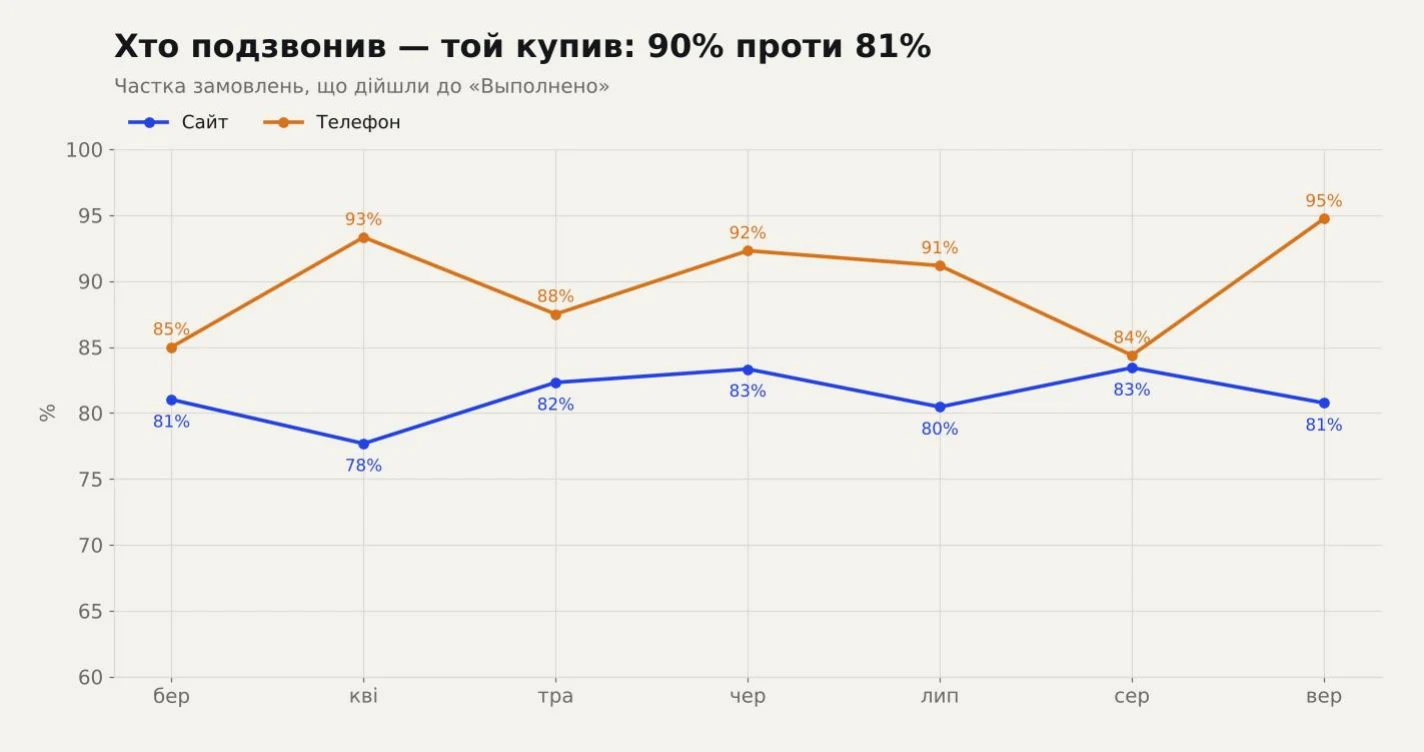
- A dental equipment store, an analysis of 2,879 sales over seven months: 90% of those who ordered by phone bought, versus 81% through the cart. Details in the “Dry Numbers” episode on dental equipment.
- A private clinic in Dnipro, Search campaigns: 73–80% of calls turn into qualified leads, versus 30% of form submissions.
- Metal processing in the Kyiv region: lead forms in this niche are as rare as a decent person in today’s world. Inquiries come by phone.
What Google Ads sees without call tracking
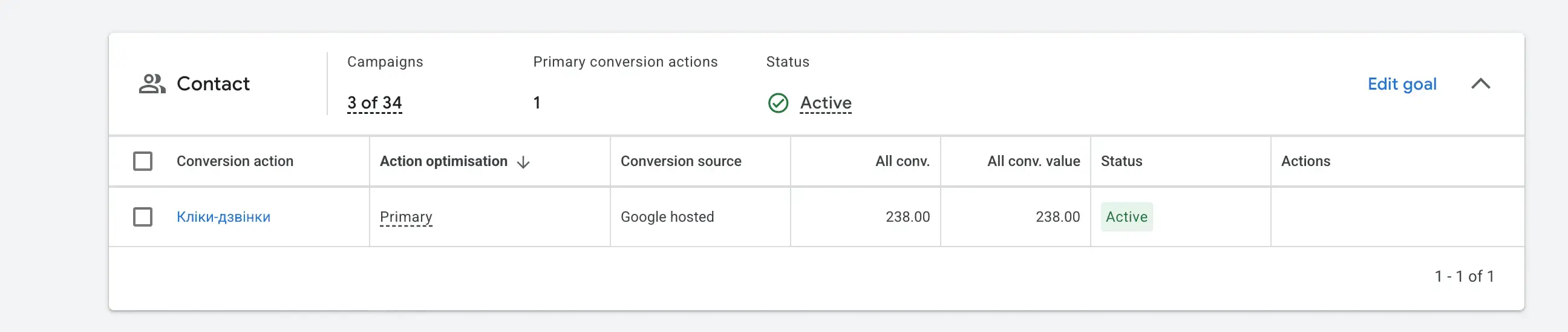
Either nothing, or clicks on the phone number. A click is not a call yet. The person could tap by accident, change their mind, copy the number or tap three times.
In the VR club audit I tested it live: one visitor tapped the number three times, made no calls at all, and the system counted three conversions.
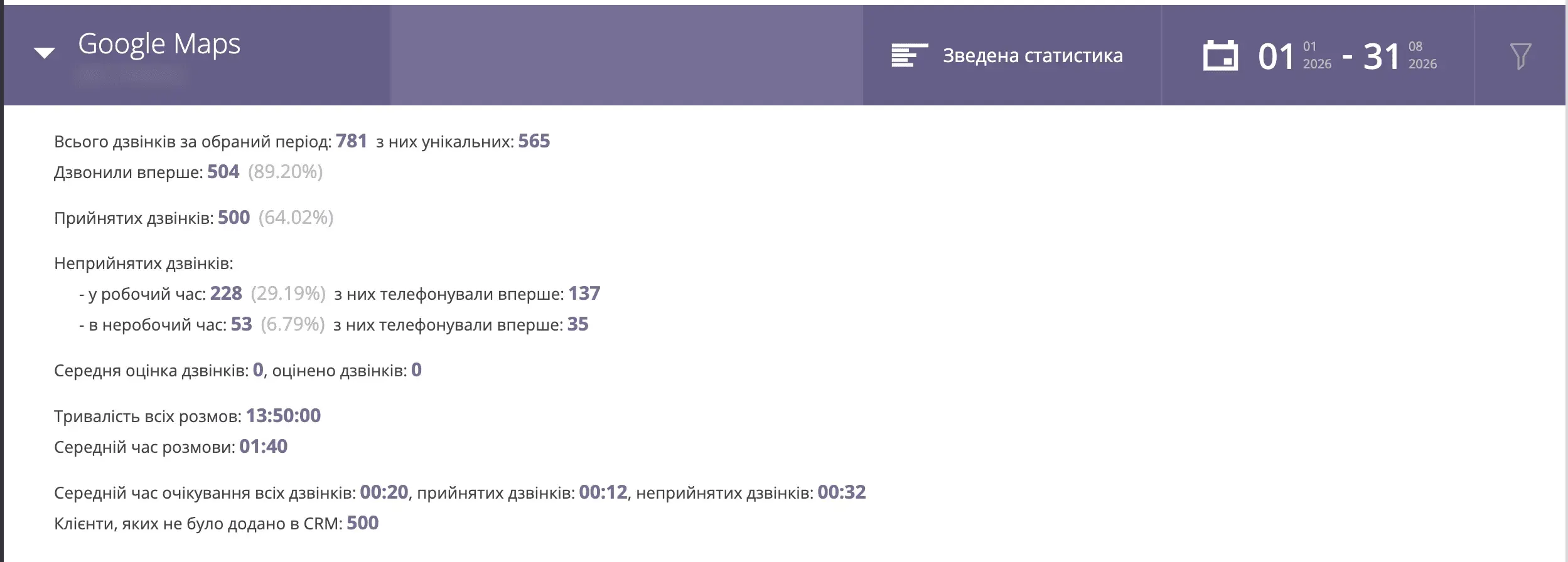
It happens the other way round too. A chain of metal warehouses has a separate number placed only in its Google Maps profile. From January to August 2026 it received 565 unique calls, while the account showed 238 clicks on the number for the same period. Undercounted 2.37 times. In my experience, the gap between clicks and calls ranges from two to ten times, and you never know in advance which way. Once we closed all such gaps, the real cost per lead there came out at UAH 244 ($5.4) instead of UAH 623 ($13.8) in the account.
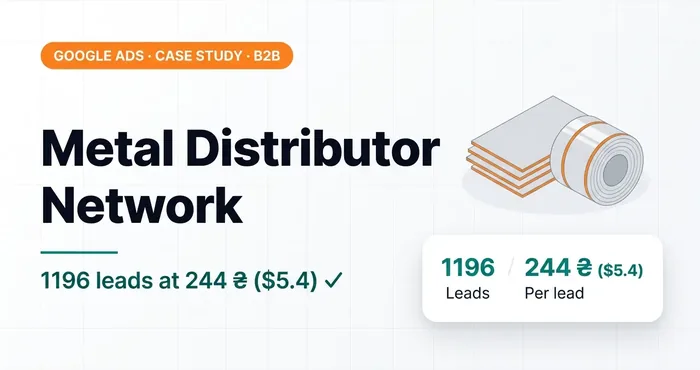 Google Ads case study · B2BGoogle Ads case study: steel distributor where the real cost per lead turned out 2.3x lower than in the accountSteel stockyard network: four attribution gaps — cart, goals, messengers, Maps calls. 1,196 leads at 244 UAH ($5.4) instead of 586 at 623 UAH ($14).
For the algorithm it’s even worse than for the report. If a click on the number counts as a conversion, Google diligently looks for people who click on numbers. What should count as a conversion, I explained in the article what a conversion in Google Ads is.
How call tracking works
Dynamic. A provider’s script on the website swaps the phone number. Each visitor sees their own number from a pool. When the person calls, the system knows which click, campaign and keyword they came from, and sends the call to Google Analytics 4 and Google Ads as a conversion.
Static. One separate number is assigned to one source. Like with those metal warehouses: a number that appears only on Maps. Every call to it comes from Maps.
How much does it cost? In the VR club audit I budgeted roughly UAH 1,300–1,500 ($29–33) a month for dynamic call tracking. The exact amount depends on the provider and the number of phone numbers.
There are several providers in Ukraine: Binotel, Ringostat, Unitalk, Fonet. I work with any of them. For small projects I recommend Binotel: the minimum plan is more than enough for tracking, sending data to the CRM and back to Google Ads. I like Ringostat for its more convenient interface and analytics right in the provider’s dashboard, but it’s more expensive. That’s exactly why my metal processing client moved from Ringostat to Binotel. The budget there is up to UAH 15,000 ($330) a month, one of the smallest in my practice, and call tracking has been in place since day one.
If you’re not ready to set up call tracking yet, the minimum is to count one unique click on the number per user per day, not every tap.
Not every call is a customer
Call tracking counts all calls. And it’s not only customers who call.
At a clinic I took over, the previous specialist optimized the ads for every call in a row. Someone called to cancel an appointment — a conversion. Asked for directions — a conversion. Asked what to do after hitting their head — also a conversion. Meanwhile the client could see there were far fewer real bookings than the ads reported.
The solution is right in Binotel: a call can be marked as qualified. After marking, Binotel sends a separate event to GA4, which can be imported into Google Ads, and the ads learn only from qualified calls.
How and Why to Mark Qualified Calls in Binotel: Step-by-Step

But people put the marks, and this is where it gets interesting. At the same clinic, 337 calls came from ads in 28 days, and 114 were marked as qualified. I dug into Binotel: in the week of October 5–11 there were 157 calls, 77 of them missed during business hours. I reviewed more than 20 missed calls — not a single one was marked as qualified. By my estimate there were 235–270 real qualified calls, not 114. That’s the upper bound, because some missed calls are repeat calls from the same people: there were 122 unique numbers out of 157 calls that week.
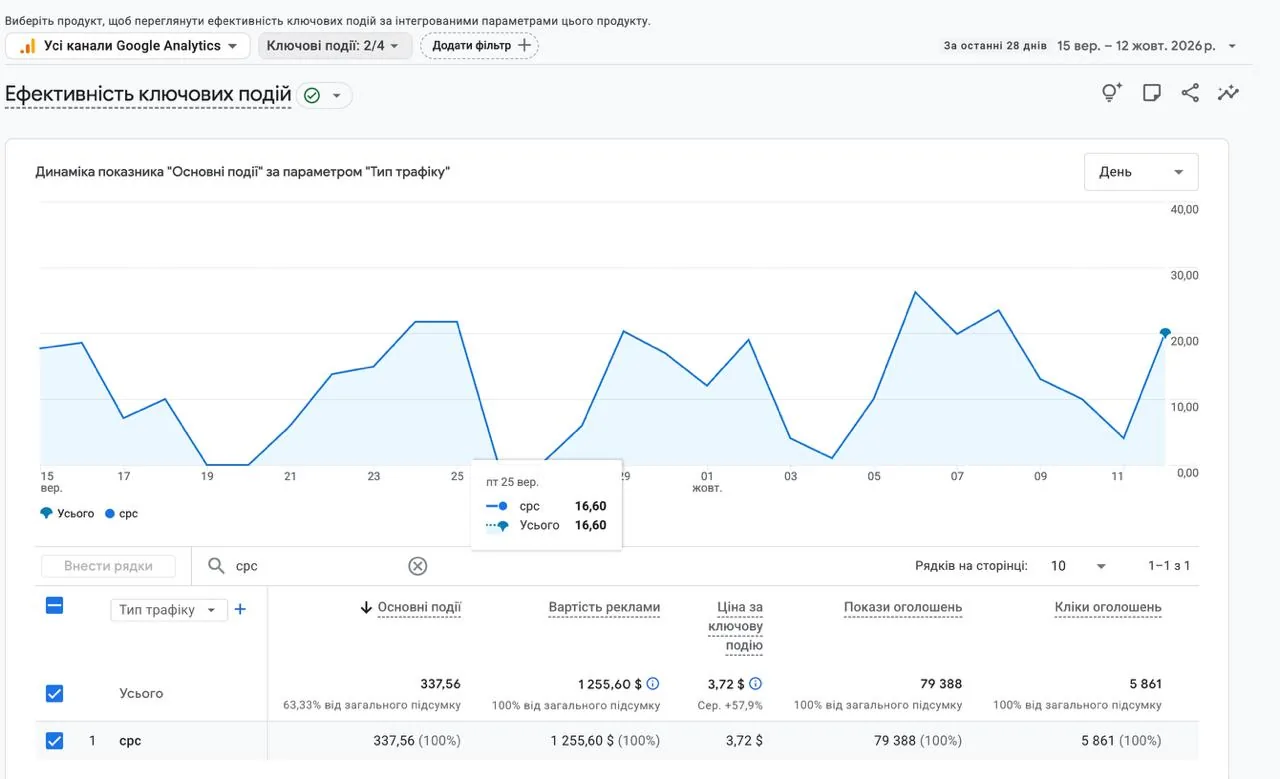
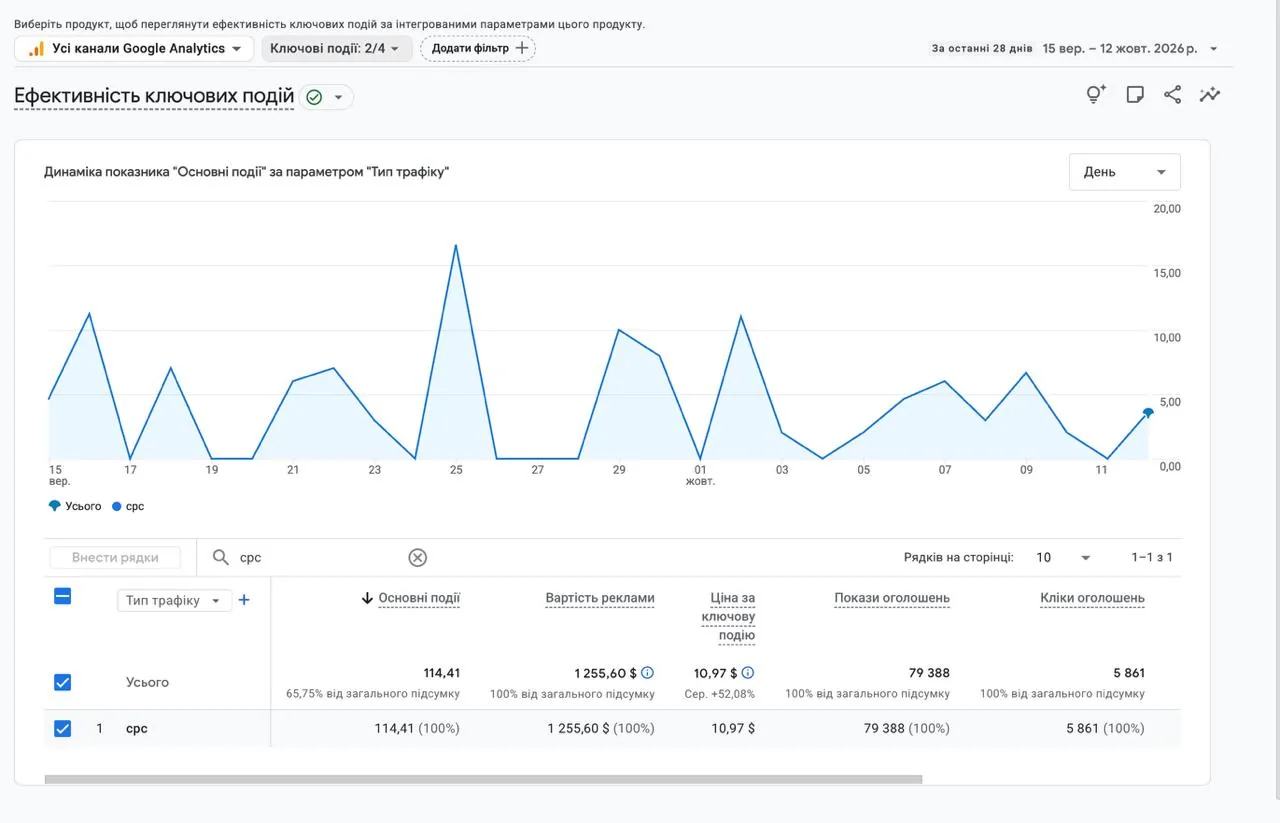
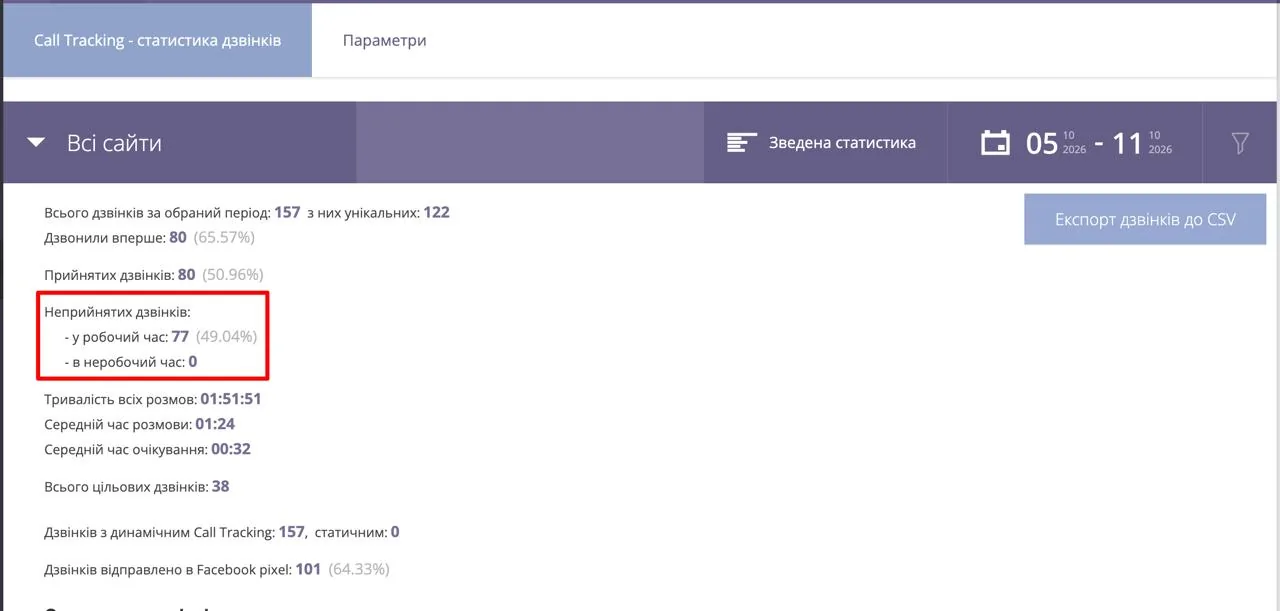
So the ads were learning to avoid exactly the people who called when nobody at reception picked up.
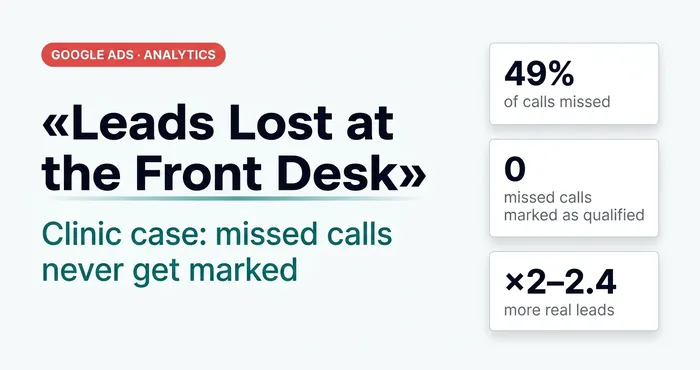 Analytics · Google AdsThree Months Treating the Ads. The Front Desk Was SickA clinic marks qualified calls in Binotel, but never the missed ones. Why Google Ads sees only half the leads — and why the problem isn’t the ads.
One more nuance: by default Binotel records every call, not every caller. A person called, didn’t get through, called back — two conversions. That’s why it’s worth sending unique inquiries to Google Ads.
A technical trap: “Compromised site”
Call tracking is code on your website, and things happen with it too. One day I saw at least three websites where ads were disapproved for “Compromised site”. What they all had in common was Binotel code in Google Tag Manager: Google considered it malicious and disabled the ads. We turned the tag off, wrote to the provider and filed an appeal. While the code is off, calls aren’t tracked, but that’s better than ads that don’t show at all. Details in the article about “Compromised site” in Google Ads.
Conclusion
Open Goals → Conversions in Google Ads and see what counts as a call for you. If it’s a click on the number, or there are no calls at all, you need call tracking. If calls are there but every call counts, set up marking of qualified calls and agree with whoever answers the phone on who marks them and when, missed calls included.
20 — AnalyticsCall tracking for Google AdsCall tracking and calls as conversions in Google Ads and GA4: the algorithm learns from qualified calls, not clicks on a number.
Where to find me
Message me on Telegram or by email — I respond quickly. Telegram channel and YouTube are for those who want to see real cases before reaching out and understand my approach.