
Marketer, analyst, ex-CMO focused on the Google ecosystem (Ads, Merchant Center, GA4, GTM). Google Partner. 150+ projects, 100+ positive reviews on Freelancehunt, 12+ countries.
- I work directly, with no account managers or subcontractors
- I measure results in sales, not in-platform conversions
- Maximum expertise in the Google ecosystem — instead of “PPC, social ads and SEO, all in one”
I want to try a new format. This isn't a breakdown of one of my clients' strategies — it's a breakdown of a new restaurant opening in Austin, Texas, by the well-known content creator and chef Joshua Weissman.
Contents
Why did this case catch my eye? Very simple — I'm subscribed to Joshua on YouTube myself, I like the way he makes content, he's an interesting guy. I'm not looking at this through a Google Ads lens — there's none of it here at all. I'm looking at it in terms of launching a business, the goal, and the possible ways things could play out.
This case pretty much grew out of an article on marketing strategy I published the other day. One of the strategies I described there is exactly the one Joshua is using now to launch his place, Ben & Lynn's. I won't be analyzing it as a fast-food opening, but specifically as a marketing strategy — comparing how this same strategy gave others a good push at the start but then ended not so well.
A bit of background
Joshua Weissman is a chef and content creator: 10.7 million subscribers on YouTube, 2.4 million on Instagram, around 7 million on TikTok. A public figure who is now using his fame to promote his own business.
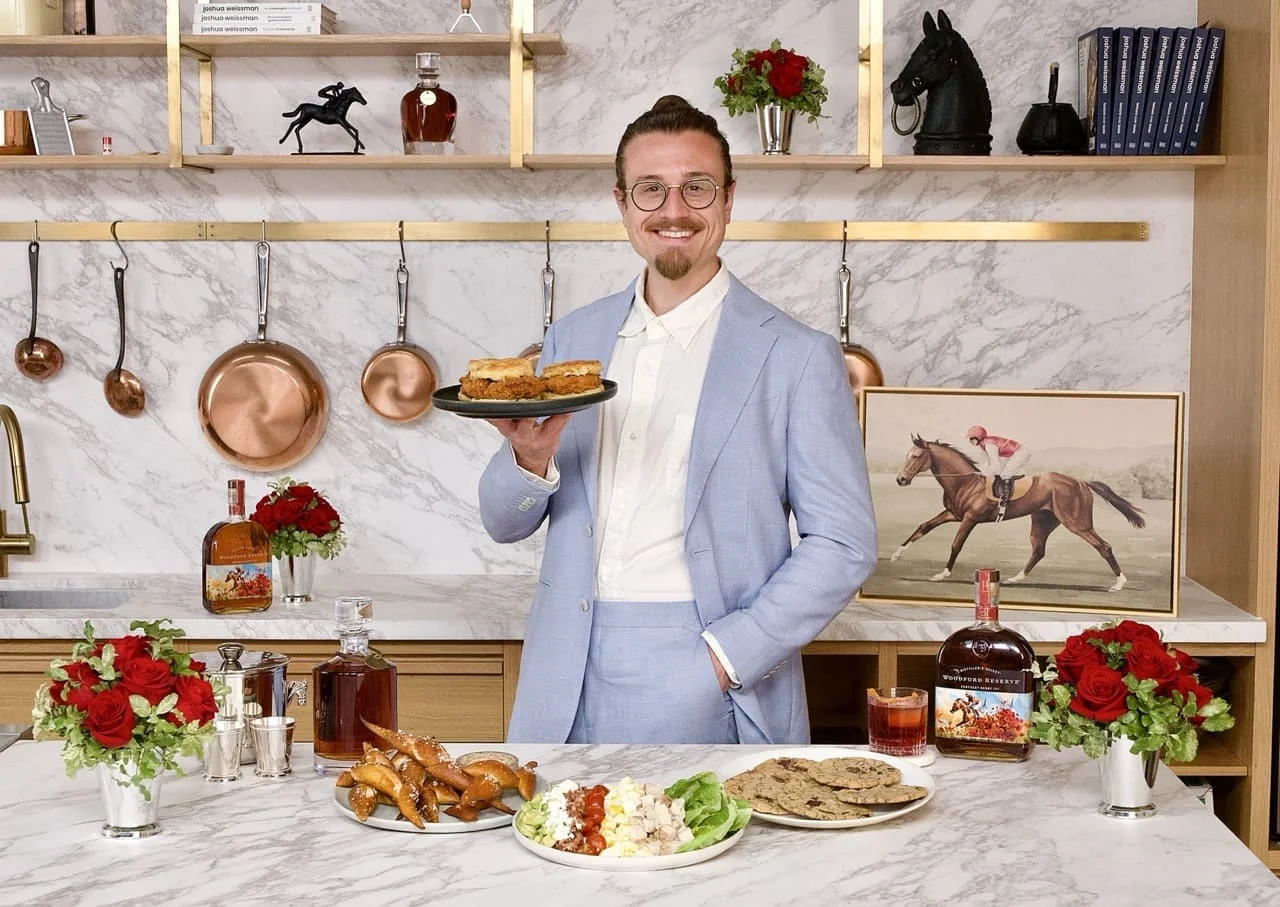
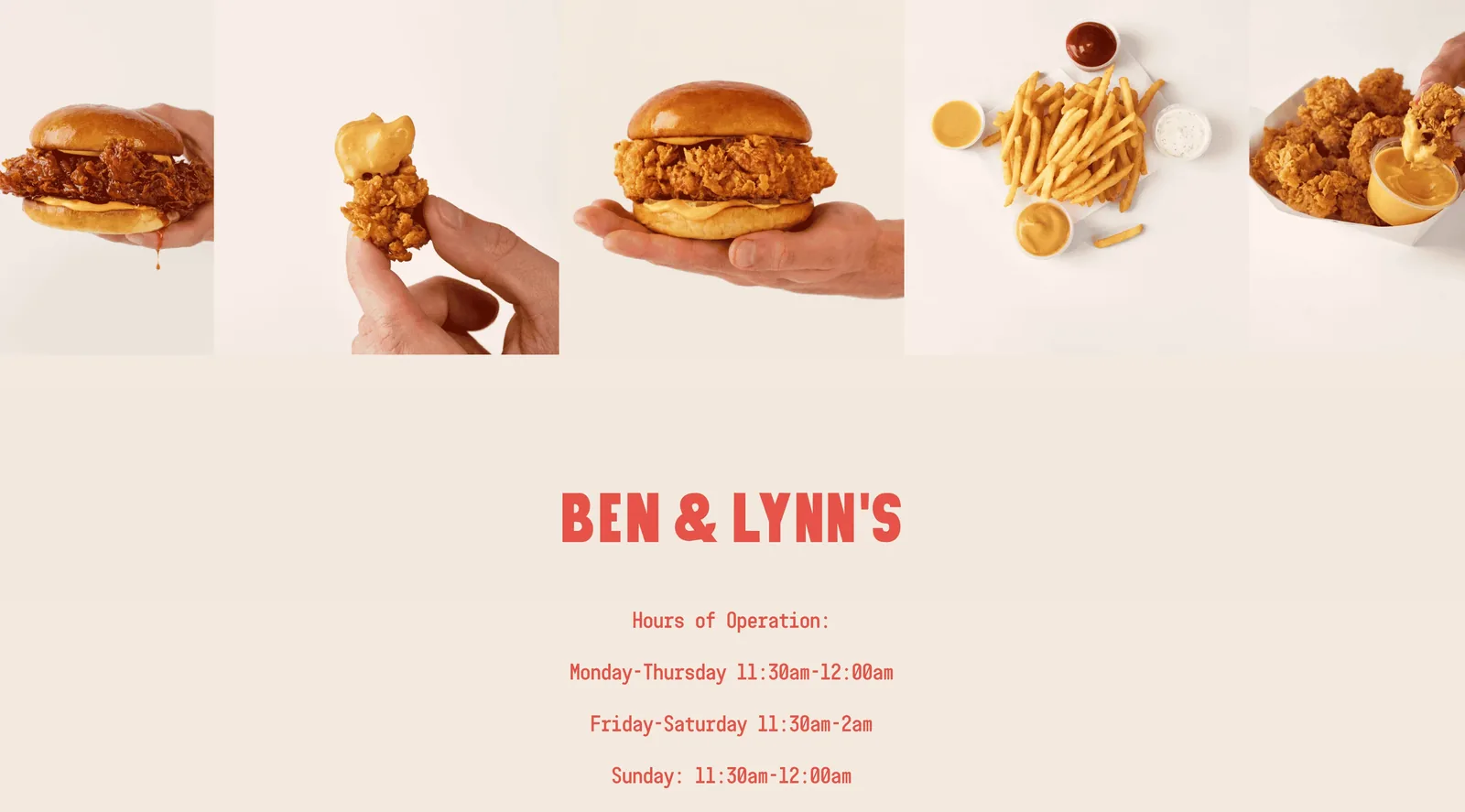
The concept is Texas chicken: chicken burgers made from his own recipe, chicken nuggets, fries, sauces. A single product taken to the extreme — essentially a mono-mono-product: one burger, one order of fries and nuggets, no broader menu. Prices are low for a quality product in the US: the burger is about $12, fries $4, soda $4, so the average check comes out to roughly $20.
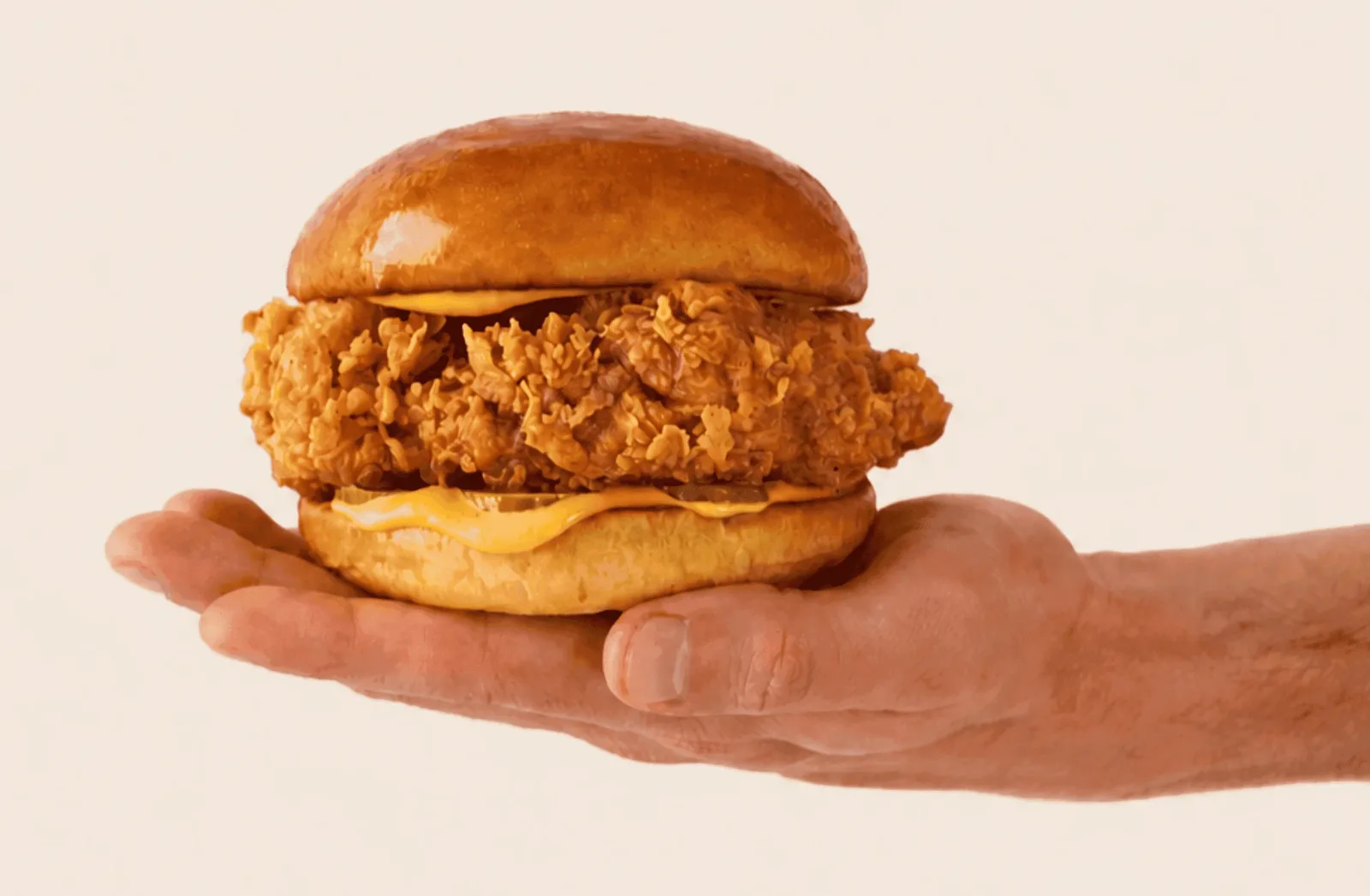
The strategy he's using is Inbound Marketing and Content Strategy — turning the company into a useful media resource. Instead of pushy direct advertising, potential customers come on their own, looking for answers through useful content — in his case, content about cooking and food in general. Basically, he's using his face to promote the restaurant.
That's not bad — that's good. You enter the business from a very strong starting position. The combined audience is roughly 20 million (accounting for overlap between platforms), mostly American. Austin is the 13th largest city in the US, with over a million people. The logic of opening there is clear, and so is the launch strategy.
Two cases worth mentioning
Fame is one thing. Business is another.
Salt Bae (Nusret)
His restaurants initially ran on pure hype, on his own fame — it was trendy to come, take photos, shoot a video for Instagram. But hype tends to run out: once everyone had been there and taken their photos, while the chain was aggressively expanding in the US and the UK, a difference became visible that nobody had noticed before. A thousand-dollar steak cooked and served (the performance) by Nusret himself is one story. The same steak at another location, cooked by just a regular chef with no show at all, is something else entirely.
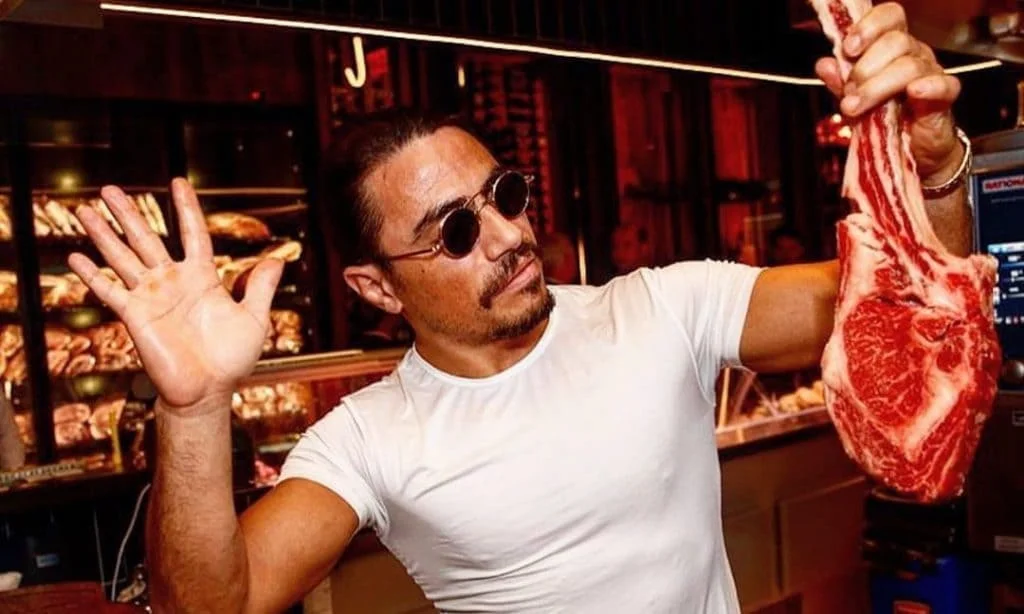
People started judging the food objectively — and it turned out the quality had never really matched the price. As far back as 2018, GQ and other critics were writing about tough, bland steak, an overcooked burger, and tartare ground into mush. The hype faded, and the quality that was supposed to replace it never showed up.
The facts: from a peak of 7 US locations (2023), Beverly Hills, Dallas, Las Vegas, Boston and part of New York closed — leaving just 2 American restaurants, in New York and Miami. The London restaurant didn't close — it's still running and generating over £10M in revenue a year, but it's rated just 2.9 out of 5 on Tripadvisor and ranks 14,912 out of 22,655 restaurants in London. Financially, this resulted in a £6.6M asset write-down and a total group loss of £5.5M.
This is a case where marketing can't carry all the other processes. Even if Nusret's popularity hadn't started fading — selling an ordinary steak at a high price without explaining the value proposition doesn't work in the long run.
Jamie Oliver
A very similar and no less sad story. A British restaurateur with 6.2 million YouTube subscribers — he also built his business entirely on his own fame. While he ran one restaurant and stood in the kitchen as chef himself, everything worked. Problems began when the Jamie's Italian chain grew to 36 restaurants at its peak: he could no longer physically control everything and handed management over to managers because, as he later admitted, his dyslexia made him bad with numbers.
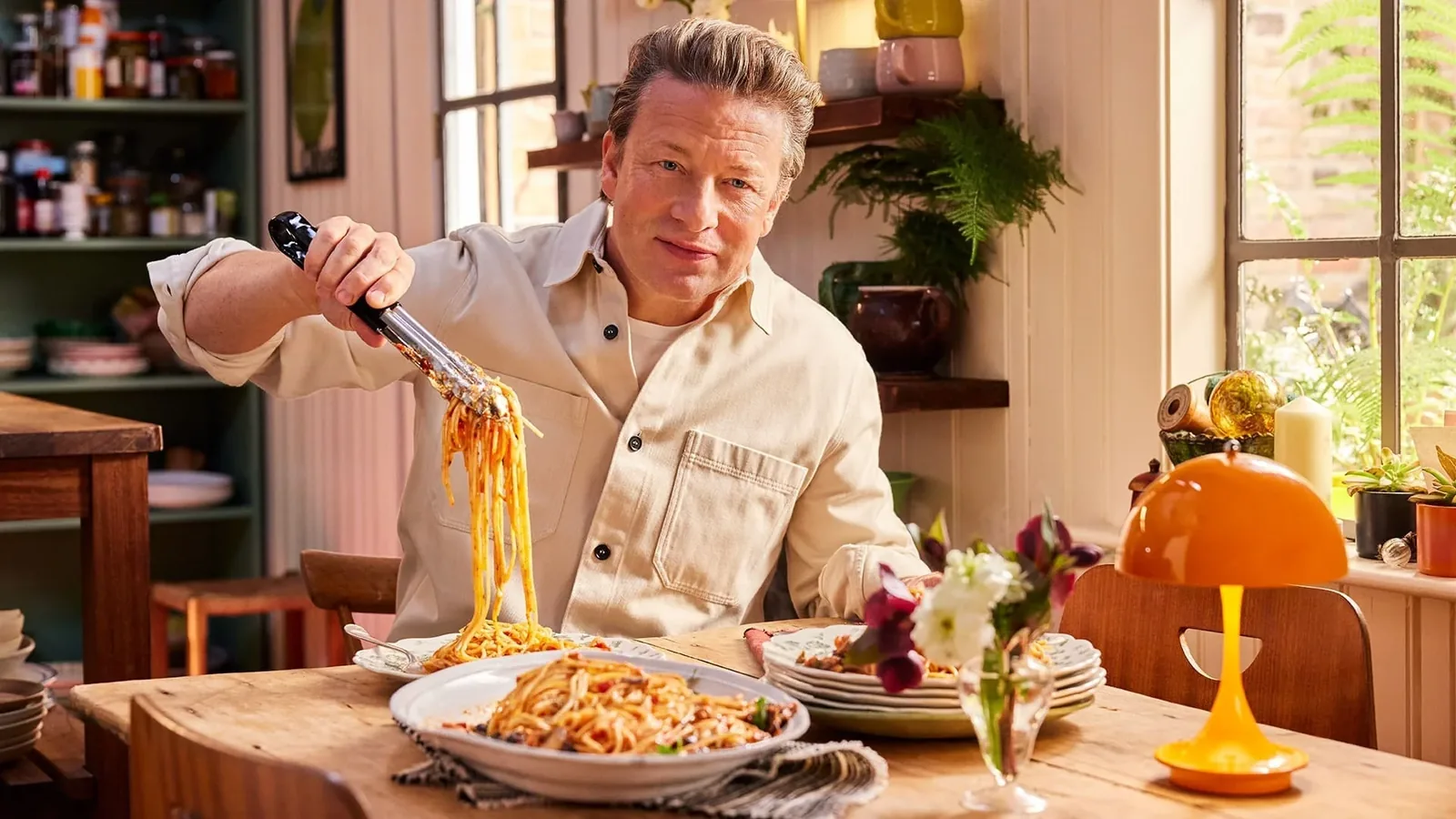
In May 2019 the business went into administration: 22 of the 25 UK Jamie's Italian restaurants closed, along with Barbecoa and Fifteen London, and over 1,000 people lost their jobs. There were several reasons at once: falling quality and consistency due to rapid scaling, Brexit, the weaker pound, rising costs of importing ingredients from Italy, high rents. There were complaints that the pasta had become cafeteria-grade, just at restaurant prices.
Same conclusion as with Nusret: marketing can't pull through a bad product, inflated prices or weak management — especially when external economic factors pile on top of the internal problems.
Why these two cases matter here
I hope Joshua reads my article and avoids the mistakes Nusret and Jamie Oliver made. He'll have to rebuild his strategy — no doubt about it. Because people came, tried it, he drew them in with his face. And then what? People won't keep coming for his face forever. You have to build a business.
How things could play out
Option one, the best one. He launches one restaurant, delivers a top-quality product, earns enough, is happy with everything — and keeps working that way, constantly updating and adding something.
Option two, the most likely scenario. The restaurant business is one of the lowest-margin businesses there is. It's extremely hard work, and I know what I'm talking about — I held management positions at various chains, saw this kitchen from the inside, and understand the workload. Joshua will realize YouTube makes him more money than the restaurant. He'll have less time for YouTube — the restaurant takes it up, since he's the chef. The money isn't enough — so he decides to scale.
Key point. He scales in Austin, a city of a million — he can easily open several locations. But this isn't a business built on recurring orders, like pizza delivery you order on a regular basis. Here it's one burger — how often can you eat it? Definitely not every day, probably not even every week.
Places like this always run on volume, and they need a very large, very steady flow of foot traffic.
If he opens more locations with his own money or investors' money, he can't physically be in three places at once. Either he stays in one place or tours several — and it won't be him cooking his signature chicken recipe anymore. It turns into a kind of KFC — only instead of Colonel Sanders, it's Joshua Weissman. It becomes a question of organization, restaurant management, quality control, operations. Marketing will also have to be built in systematically — you can ride the starting position his fame gives you, but without a built-in system it all goes down the drain.
Another sub-option is selling franchises. But that's essentially the same Colonel Sanders KFC path again.
Conclusion
The strategy he's chosen will work great at the start — it'll attract an audience with no extra budget, and the starting position for the launch is already decent. The main question isn't how to get the first visitors, but what to do next with a single product.
With one burger there won't be systematic, recurring purchases — only occasional ones. People won't be lining up every day like at McDonald's or ordering pizza delivery regularly. Right now people may still drive across the city just for the hype around Joshua, but a restaurant needs a very large and very steady flow of traffic to run sustainably. Most likely, sooner or later they'll add delivery through aggregators like UberEats — but that's a question for the next stage.
That's exactly why I don't think he'll go with “option one” — a single restaurant for the long haul. There's genuinely little money in it, the restaurant business is low-margin, and sooner or later he'll calculate that YouTube brings him more than the restaurant. Dealing with the operations of one small business won't be worth it — or he'll hand management over to another chef, and that's no longer what he promised people at the start, when he built everything on his own face.
The most likely scenario is scaling, similar to Jamie Oliver's story. With an average check of around $20, profitability requires exactly that very large flow of people I wrote about above — and that's no longer a question of fame, but of an operating system that isn't visible yet.
Where to find me
Message me on Telegram or by email — I respond quickly. Telegram channel and YouTube are for those who want to see real cases before reaching out and understand my approach.